Transform Your Home With Experienced Architectural Design Support
Optimizing a home through expert design consultation involves more than just visual elements. It requires a deep understanding of usable design and state construction regulations. Working with an experienced architect can tackle common challenges while strengthening property value. The process is strategic and exhaustive, guaranteeing that every detail harmonizes with the homeowner's expectations. Yet, many homeowners encounter challenges to navigate this journey competently. What steps can they take to secure a successful partnership?
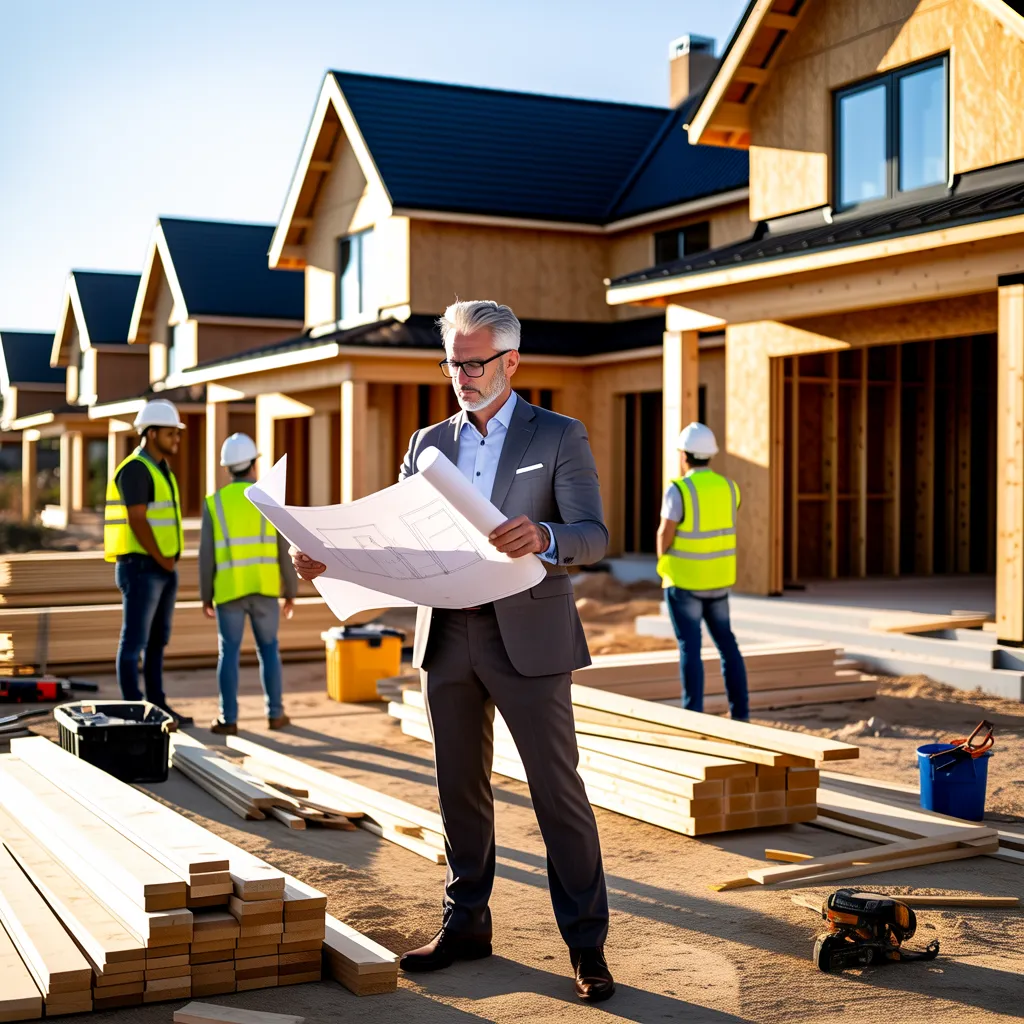
Common Home Design Obstacles and How Architects Aid
What causes home design to be so overwhelming for most homeowners? The challenge of mixing personal aesthetic choices with functional requirements often exhausts them. Homeowners commonly encounter issues with space limitations, monetary constraints, and legal standards, complicating the process more challenging. Additionally, many lack the specialized expertise needed to handle structural needs and building codes.
Architects serve as an crucial role in mitigating these challenges. Their training prepares them to manage the complexities of design, guaranteeing that a homeowner's vision corresponds with practical realities. Architects can deliver creative solutions to maximize space while conforming to security standards. They also help in creating cohesive designs that embody the homeowner's style. By offering guidance into materials and construction methods, architects aid streamline the decision-making process. Ultimately, their knowledge transforms a possibly daunting endeavor into a cooperative journey, promoting a balanced balance between innovation and practicality in home design.
Advantages of Engaging With a Professional Architect
Partnering with a professional architect enhances the residential design process by blending specialized understanding with the client's perspective. Architects present a wealth of experience in design practices, construction guidelines, and environmental practices, making certain that the endeavor not only satisfies design targets but also complies with regulations. Their capacity to imagine and clarify challenging concepts supports converting theoretical ideas into realized blueprints.
Furthermore, architects can provide cutting-edge solutions to spatial challenges, perfecting layout and functionality. They also coordinate the complications of the building process, working with contractors and suppliers to copyright budgets and timelines are adhered to. This professional direction curtails mistakes and mitigates the worry inherent in home construction or renovation. In conclusion, engaging with an architect results in a well-crafted, unified space that reflects the homeowner's personality while enhancing overall home value.
What Are the Important Phases in the Architectural Workflow?
What is the way the architectural process unfolds from initial idea to finish? The progression starts with an initial consultation, where the designer and client discuss objectives, needs, and budget. This stage is important for creating a well-defined direction. Next, the designer performs location evaluation, examining aspects like topography, weather patterns, and local codes.
Subsequently, the design work gets started. At this stage, sketches and digital models are produced, enabling the client to comprehend the project. Once the design is finalized, the architect creates detailed construction documents, containing specifications and drawings.
Upon obtaining necessary permits, the project enters the construction phase. The architect regularly collaborates with contractors to guarantee that the design is executed correctly. Regular site visits and assessments help maintain standards and compliance to the original vision. Finally, the project culminates in a walkthrough, verifying that the completed structure meets the client's requirements before the official transfer.
How Can You Identify the Best Architect for Your Home?
Discovering the right professional for your dwelling demands thoughtful consideration and research. Prospective residents should start by identifying their distinct desires and spending limit, which will direct their quest. Recommendations from friends, family, or property specialists can supply valuable opportunities. Web-based portfolios and reviews support assessing an designer's previous accomplishments and client satisfaction.
Next, potential clients should engage several prospects to measure their communication style, experience, and approach to design. It's critical to discuss timelines and project expectations to establish mutual understanding. Additionally, verifying qualifications and verifying relevant licenses and certifications can circumvent future complications.
Ultimately, homeowners should listen to their intuition. The ideal architect should not only display the necessary skills but also complement the homeowner's aspirations and beliefs. This partnership establishes a productive atmosphere, in the end producing a strong collaboration in developing a dream home.
Tips for Conveying Your Vision Efficiently
Communicating a vision for interior design effectively is essential for a successful cooperation between homeowners and design consultants. To achieve this, homeowners should begin by explicitly defining their requirements and preferences. Producing a visual collection with graphics, pigments, and textures can support conveying visual goals. Additionally, specifying functional requirements, such as space allocation and spatial arrangement, guarantees that the specialist understands practical components.
Property owners should also participate in open dialogue, encouraging inquiries and input to refine their concept. Frequent meetings during the planning phase encourage collaboration and transparency. Employing straightforward language to express ideas and concerns can prevent misunderstandings and help align goals.
Ultimately, being receptive to the architect's proficiency permits a more stimulating exchange. By fusing personal vision with professional insight, homeowners can cultivate a healthy partnership that accomplishes a beautifully designed space representing their aspirations.
Strategies for Financial planning Building design Offerings
As you commence a home design project, establishing a budget for architecture services is necessary to avert economic hardship later. Homeowners should begin by researching typical fees in their area, which see here can vary based on the project's complexity and the architect's experience. It is sensible to allocate a percentage of the overall project cost specifically for architectural services, typically ranging from 5% to 15%.
Next, clients should consider the scope of services needed—whether they need comprehensive design and project management services or just preliminary discussions. Having transparent conversations with prospective architectural firms about their pricing models can offer insight on expenses.
Additionally, property owners should account for unexpected expenses and potential revisions, establishing a financial reserve in the budget. By explicitly outlining their monetary limits in advance, clients can guarantee they select an architect who aligns with their objectives while remaining within their budget constraints.
Frequently Asked Questions
What Selection of Structural Style May I Choose for My Home?
Homeowners have the opportunity to pick from various architectural styles, including modern, traditional, colonial, Mediterranean, and contemporary. Each style offers distinctive visual character and practical benefits, allowing individuals to reflect personal taste while considering regional influences and environmental factors.
What Timeframe Does the Building Design Process Usually Demand?
The architectural process typically requires several months, based on project intricacy, design approvals, and local regulations. Factors such as client feedback and construction schedules can also affect the timeline greatly during the entire process.
Can Design professionals Assist With Eco-friendly Building Choices?
Architects can absolutely support with sustainable design options. They include eco-friendly materials, energy-efficient systems, and innovative layouts, guaranteeing projects minimize environmental impact while maximizing functionality and aesthetic appeal, matching with clients' sustainability goals effectively.
What Requirements Should I Find When Selecting an Architect?
When hiring an design specialist, one should examine their qualifications, accreditation, involvement in related assignments, portfolio showcasing design style, and knowledge of local regulations. Communication skills and feedback from previous clients also prove essential in the decision-making process.
How Do Architects Resolve Zoning and Permit Difficulties?
Architects tackle regulatory obstacles by conducting thorough research on local regulations, preparing necessary documentation, and working with municipal authorities. Their proficiency ensures compliance, expediting the permitting timeline for client projects efficiently.